
Japanese plant care accessories transcend mere functionality; they embody a philosophy of meticulous artistry and deep respect for nature. From elegant ceramic pots to meticulously crafted trays, these items offer a unique aesthetic experience, harmonizing with the plant’s natural beauty. More than just tools, they are extensions of a cultural tradition rich in history and meaning.
This exploration delves into the captivating world of Japanese plant care accessories, examining their diverse forms, design principles, and practical applications. We’ll unravel the aesthetic nuances, practical functions, and cultural significance embedded within these beautiful objects, highlighting their enduring appeal and contemporary relevance.
Introduction to Japanese Plant Care Accessories
Japanese plant care accessories, extending beyond mere practicality, embody a deep-rooted aesthetic sensibility. They seamlessly blend functionality with artistry, reflecting a profound respect for nature and the meticulous attention to detail that defines Japanese culture. This meticulous approach extends from the selection of materials to the design of each element, ultimately enhancing the overall experience of cultivating plants.Japanese plant care accessories are more than just tools; they are integral components of a holistic approach to gardening.
They are designed to enhance the visual appeal of the plants, emphasizing their natural beauty while showcasing the care and appreciation given to them.
Common Japanese Plant Care Accessories
Japanese plant care accessories encompass a wide array of items, each carefully crafted to complement the aesthetic and practical needs of the gardener. These accessories range from sophisticated pots to functional tools and decorative trays. The selection often depends on the specific plant being cultivated, reflecting a nuanced understanding of plant needs and preferences.
- Trays ( chōdana): These shallow trays, often made of ceramic or bamboo, are used to catch excess water and provide a visually appealing base for plants. Their design often incorporates intricate patterns or subtle textures, adding an artistic element to the overall presentation. They can be used to arrange small plants or to display cuttings.
- Pots ( tsubō): Japanese pots, typically made of ceramic, often feature minimalist designs and earthy tones. They are frequently chosen for their ability to complement the natural beauty of the plants housed within. The selection of pot material and design is crucial in achieving the desired aesthetic. For example, a weathered, rustic ceramic pot might be perfect for a bonsai, while a sleek, modern pot might suit a collection of succulents.
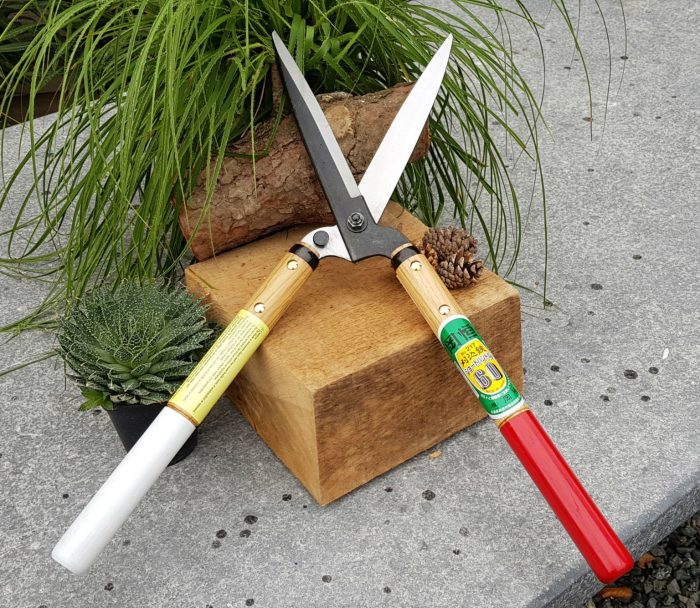
- Tools ( kōgi): Tools, like hand-crafted shears and watering cans, are designed for both functionality and aesthetic appeal. They are often made from high-quality materials like bamboo or wood, showcasing the inherent beauty of natural materials. These tools reflect the precision and care required in Japanese plant cultivation, which extends beyond merely achieving results.
Cultural Significance in Japanese Gardening Traditions
The selection and use of these accessories are deeply rooted in Japanese aesthetics, particularly wabi-sabi. This philosophy emphasizes the beauty of imperfection and the appreciation of natural materials, which are crucial components in the crafting of these accessories.
- Wabi-sabi Aesthetics: The philosophy of wabi-sabi, encompassing the beauty of natural imperfection and asymmetry, significantly influences the design and selection of these accessories. This aesthetic preference often results in the use of natural materials like bamboo and wood, which exhibit inherent imperfections that are celebrated rather than concealed.
- Emphasis on Natural Beauty: The design of these accessories emphasizes the natural beauty of the plants. The accessories are meant to enhance, not distract from, the plants’ natural aesthetic. This approach reflects the deep respect for nature that underpins Japanese gardening traditions.
Materials Commonly Used
The materials used in crafting Japanese plant care accessories are carefully selected for both their aesthetic qualities and functional properties. The choice of materials is critical in achieving the desired balance between practicality and beauty.
- Ceramic: Ceramic is a popular material due to its versatility in crafting various shapes and designs. The material lends itself well to intricate patterns and subtle textures, creating aesthetically pleasing and durable accessories.
- Bamboo: Bamboo, with its natural strength and lightweight properties, is frequently used in crafting tools and trays. Its natural grain and color provide a visually appealing contrast to the plants.
- Wood: Wood, especially from specific types of trees, is also used in crafting tools and some trays. The wood’s unique grain and color add warmth and character to the accessories.
Types of Japanese Plant Care Accessories
Japanese plant care accessories transcend mere practicality; they embody a philosophy of harmony and aesthetic appreciation. These items, meticulously crafted, reflect a deep respect for nature and the plants they nurture. From the carefully chosen pots to the specialized tools, each element contributes to a holistic approach to plant care, elevating the experience from simple maintenance to a mindful practice.
Pot Styles and Materials
Japanese pot styles are not simply containers; they are integral parts of the overall aesthetic. The shape, size, and material of the pot directly impact the plant’s presentation and the surrounding environment. Different pot materials and shapes are selected to enhance the plant’s natural beauty and create a visually appealing display.
| Type | Material | Function | Image Description |
|---|---|---|---|
| Ceramic Pots | Earthenware, stoneware, porcelain | Durable, diverse range of designs; often glazed for aesthetic appeal. | A classic round ceramic pot with a slightly flared rim, showcasing a subtle glaze in a muted green tone. The pot’s smooth surface and rounded edges highlight the elegance of the design. |
| Stone Pots | Natural stones, granite, slate | Rustic, earthy aesthetic; often unadorned, emphasizing the natural beauty of the stone. | A squat, irregular-shaped stone pot carved from a light gray granite, with visible stone texture. The pot’s rough, natural surface provides a grounding contrast to the plant’s delicate foliage. |
| Wooden Pots | Cedar, cypress, or other hardwoods | Warm, natural feel; often used for bonsai or miniature plants. | A small, rectangular wooden pot crafted from dark-toned cedar wood, showcasing a simple, unadorned design. The wood’s warm hue and natural grain complement the aesthetic of the miniature plant. |
| Metal Pots | Iron, copper, brass | Modern, minimalist look; often used for contemporary settings. | A sleek, geometric metal pot made from brushed stainless steel, with clean lines and a modern design. The pot’s reflective surface subtly enhances the plant’s foliage. |
Tray Styles and Design Considerations
Trays, often understated yet crucial, serve multiple purposes beyond simple containment. Their design and materials play a significant role in the overall visual harmony. The selection of a tray is as important as choosing the pot.
- Rectangular trays provide a classic, versatile base for plants, often used in larger displays. They create a defined structure that enhances the appearance of the plant arrangement.
- Round trays offer a more organic, flowing aesthetic, particularly suitable for arrangements emphasizing natural shapes. They can create a sense of balance and fluidity in the display.
- Square trays, with their precise lines, offer a contemporary and structured feel, enhancing the crispness of the arrangement.
The materials of trays, such as ceramic, stone, or wood, further contribute to the ambiance, mirroring the materials used in the pots. The choice of tray material complements the pot style and enhances the overall aesthetic appeal.
Tools for Plant Care
Japanese plant care tools are not merely functional; they are extensions of the gardener’s hand, reflecting a deep understanding of the plant’s needs.
- Pruning shears are essential for maintaining plant health and shaping. These tools come in various sizes and styles, designed to meet specific plant needs.
- Watering tools like watering cans and watering wands offer a range of options, from delicate watering to deep soaking. They allow for precise control over water distribution.
- Specialized tools for bonsai work include wire cutters, which are crucial for shaping and training trees. The tools facilitate precise control and manipulation, enhancing the artistry of bonsai care.
The specific tools chosen often reflect the type of plants being cared for and the specific tasks required.
Design Elements and Aesthetics
Japanese plant care accessories are more than just functional tools; they are meticulously crafted expressions of a deep-seated appreciation for nature and aesthetic principles. These items embody a philosophy of minimalism, emphasizing simplicity and functionality over ostentation. Their design often reflects a harmonious relationship with the natural world, creating a tranquil atmosphere conducive to nurturing plants and cultivating a sense of well-being.The aesthetic language of Japanese plant care accessories stems from a centuries-old tradition of integrating beauty into everyday life.
This approach values understated elegance and a connection to the natural world, emphasizing the inherent beauty of the plant itself rather than elaborate displays. These accessories are designed to complement and enhance the natural environment, rather than dominate it.
Minimalism and Naturalism
The core principles of Japanese aesthetics are evident in the design of plant care accessories. Minimalism, a hallmark of Japanese design, is reflected in the clean lines, simple forms, and uncluttered nature of these items. Natural materials like bamboo, wood, and ceramic are frequently used, furthering the connection to the natural world. The focus is on functionality and elegance, with ornamentation kept to a minimum.
Naturalism is paramount, with designs often mimicking the forms and textures found in nature, evoking a sense of serenity and tranquility. This approach encourages a mindful appreciation of the plant’s natural beauty, unburdened by excessive embellishment.
Color Palettes and Patterns
Japanese plant care accessories often feature subdued color palettes. Earthy tones, such as greens, browns, grays, and muted beiges, are common, echoing the colors of the natural environment. These colors create a sense of harmony and tranquility, promoting a serene atmosphere conducive to plant growth. Patterns, when present, are often subtle and inspired by natural motifs like leaves, branches, or flowing water.
These delicate patterns add depth and interest without detracting from the overall simplicity of the design. The use of color and pattern is a deliberate choice, contributing to the overall sense of calm and harmony.
Reflection of Japanese Aesthetics
These accessories embody key Japanese aesthetic principles, such as
- shibui* (a sense of quiet elegance and understated beauty),
- wabi-sabi* (the acceptance of imperfection and impermanence, finding beauty in the natural aging process), and
- yugen* (suggesting something profound that is hinted at but not explicitly stated). For example, a simple ceramic pot, with a natural glaze and subtle imperfections, perfectly embodies these principles. The focus on simplicity and the embrace of natural materials and understated elegance contribute to the serene and harmonious atmosphere these accessories create.
Western vs. Japanese Approaches to Plant Care Aesthetics
| Aspect | Western Approach | Japanese Approach | Explanation |
|---|---|---|---|
| Color Palette | Vibrant, bold colors; often bright and contrasting | Subdued, earthy tones; harmonious and tranquil | Western aesthetics often prioritize visual excitement, while Japanese aesthetics emphasize serenity and a connection to nature. |
| Design | Elaborate patterns, intricate details, often incorporating ornamentation | Clean lines, simple forms, focus on functionality and elegance | Western design often prioritizes visual complexity, while Japanese design emphasizes understated elegance and minimalism. |
| Materials | Wide variety of materials, including synthetic materials and metallic finishes | Natural materials like wood, bamboo, ceramic, and stone; emphasis on sustainability and natural beauty | Western design frequently incorporates synthetic elements, while Japanese design emphasizes natural materials. |
| Overall Impression | Visual excitement and bold statements | Serene atmosphere, harmonious integration with nature | Western aesthetics often aim to impress, while Japanese aesthetics focus on creating a tranquil and contemplative environment. |
Practical Uses and Functions
Japanese plant care accessories aren’t merely decorative; they are meticulously designed tools that optimize plant health and elevate the horticultural experience. From meticulously crafted trays to specialized watering tools, each item embodies a commitment to both functionality and aesthetic appeal. This approach reflects a deep understanding of plant needs and a dedication to fostering harmonious growth.Beyond aesthetics, these tools offer significant practical benefits.
They streamline plant care routines, reduce water waste, and often improve the overall health and longevity of the plants. Understanding the specific functions of each accessory allows for a more informed and effective approach to plant care.
Moisture Control and Drainage
Japanese plant care accessories, particularly trays, play a crucial role in regulating moisture levels around plants. This meticulous control is essential for preventing overwatering and root rot, common pitfalls in plant care. The design of these trays, often featuring a shallow well or a porous bottom, allows excess water to drain away effectively, while also retaining some moisture to keep the roots consistently hydrated.
Japanese Trays: Enhancing Drainage and Moisture Control
Japanese trays, often made from materials like ceramic or lacquered wood, are specifically designed to promote optimal drainage and moisture retention. Their shallow profile and porous base, or a small lip for drainage, facilitate the natural process of water evaporation while preventing waterlogging. This allows for controlled watering and reduces the risk of root rot, a common problem in plant care.
This approach directly addresses the crucial need for appropriate moisture levels around the plant’s roots, maximizing the chances of healthy growth and longevity.
Watering Tools: Precision and Efficiency
Japanese-style watering tools, often featuring long, slender spouts or gentle misters, allow for precise watering. These tools minimize overwatering, a significant issue that can lead to root rot and other plant health problems. The delicate control offered by these tools prevents water from pooling on the leaves and stems, promoting a healthier and more aesthetically pleasing plant.
Specialized Tools for Specific Tasks
Specific tools are designed for particular plant care tasks. For example, specialized pruning shears with their sharp, precise blades are designed for removing dead or damaged foliage, promoting healthy growth. These tools not only enhance the visual appeal of the plant but also contribute to its overall health. The use of such tools ensures that any trimming or shaping is done efficiently and with minimal damage to the plant.
This approach is often combined with knowledge of plant health and specific pruning schedules.
Sourcing and Availability
Japanese plant care accessories, prized for their aesthetic and functionality, are increasingly sought after globally. Finding these items, however, requires navigating a variety of sourcing options, from established online retailers to specialized boutiques. Understanding the diverse avenues available is crucial for both enthusiasts and collectors.
Online Retailers
Numerous online retailers cater to the growing demand for Japanese plant care accessories. Major e-commerce platforms frequently feature curated selections from Japanese suppliers, offering a wide range of products. This accessibility allows for global reach and competitive pricing, often featuring products not readily available elsewhere. Specific platforms like Etsy and specialized Japanese online marketplaces offer further niche products and artisan craftsmanship.
The global reach of these platforms often leads to wider availability of unique items.
Physical Stores
Physical stores play a vital role in the sourcing of Japanese plant care accessories, especially for those seeking a tangible experience. Independent garden centers, home décor shops, and specialty Japanese goods stores frequently stock a selection. These brick-and-mortar locations often allow for direct interaction with products, permitting careful examination and potential customization, and offering valuable insight from knowledgeable staff.
Niche Vendors
Unique and niche vendors specializing in Japanese plant care accessories provide a gateway to highly specialized or artisanal products. These often include small-scale workshops or independent artists known for their unique designs and handcrafted pieces. Many operate through online platforms, offering bespoke products tailored to specific needs or aesthetic preferences. These vendors often prioritize high-quality materials and intricate details.
Examples include Japanese pottery workshops or online artisans known for their unique bonsai care tools.
Table: Sourcing Methods Comparison
| Method | Pros | Cons | Cost Comparison |
|---|---|---|---|
| Major Online Retailers | Wide selection, global reach, competitive pricing, ease of comparison shopping. | Potential for shipping delays, lack of personal interaction, product authenticity concerns (without verification). | Generally moderate to competitive, depending on the item and retailer. |
| Physical Stores | Hands-on inspection, personalized assistance, immediate purchase, potential for product customization. | Limited selection, potentially higher prices compared to online retailers, geographically restricted availability. | Often higher than online retailers due to overhead and markups. |
| Niche Vendors | Unique, artisanal products, high-quality materials, potential for bespoke pieces, strong brand identity. | Limited selection, potentially higher prices, often longer lead times for custom orders. | Typically higher than both online retailers and physical stores due to specialized nature and often handmade craftsmanship. |
Maintenance and Care
Japanese plant care accessories, renowned for their aesthetic appeal and functionality, demand meticulous maintenance to preserve their beauty and longevity. Proper care extends the lifespan of these often-handcrafted items, ensuring they remain treasured possessions for years to come. This meticulous attention to detail also reflects the deep appreciation for craftsmanship inherent in Japanese culture.Maintaining the integrity of these accessories requires a nuanced approach, acknowledging the diverse materials used in their construction.
From the delicate artistry of ceramic pots to the polished sheen of wooden trays, each material presents specific care needs. Understanding these requirements allows for preventative measures, mitigating potential damage and preserving the aesthetic appeal of these treasured objects.
Cleaning Methods
Maintaining the pristine condition of Japanese plant care accessories hinges on regular, gentle cleaning. Harsh chemicals or abrasive tools should be avoided, as they can damage the delicate surfaces and compromise the inherent beauty of the materials. The approach to cleaning should be tailored to the specific material, ensuring the chosen method will not harm the item.
Preventing Damage
Preventing damage to Japanese plant care accessories is crucial for preserving their aesthetic integrity and extending their lifespan. The delicate balance between environmental factors and handling techniques must be carefully considered. Proper storage and handling, combined with the avoidance of extreme temperatures and moisture, are key preventative measures. For example, storing ceramic pots in a cool, dry environment minimizes the risk of cracking or discoloration.
Material-Specific Care
Different materials necessitate distinct care regimens. The inherent properties of each material dictate the appropriate cleaning methods and preventive measures. Understanding these nuances ensures the best possible care for each item.
- Ceramic: Ceramic pots, often featuring intricate designs and glazes, require gentle cleaning. Avoid harsh detergents or abrasive materials. A damp cloth or sponge is sufficient for most cleaning tasks. The glaze, if present, can sometimes be delicate, requiring a particularly soft approach to prevent scratching.
- Wood: Wooden trays or stands benefit from a light dusting with a soft brush or cloth. Avoid water, which can cause warping or damage. For occasional cleaning, use a slightly damp cloth to remove dust, and then wipe with a dry cloth.
- Bamboo: Bamboo trays or stands, known for their natural beauty, should be cleaned with a soft brush or cloth to remove dust and debris. Water should be avoided to prevent warping.
- Metal: Metal accessories, such as hanging pots, may require occasional cleaning with a soft cloth and a mild solution of warm water and mild dish soap. Avoid harsh abrasives that can damage the metal’s finish.
Cleaning a Ceramic Pot – Step-by-Step Guide
A meticulous approach to cleaning a ceramic pot is essential for maintaining its pristine condition. Following a step-by-step process ensures thorough cleaning without causing damage.
- Preparation: Gather a soft-bristled brush, a clean, damp cloth, and a bowl of lukewarm water. Avoid using hot water, as it can cause the glaze to crack or flake off.
- Gentle Cleaning: Use the soft-bristled brush to remove any loose dirt or debris from the pot’s surface. Work gently and carefully, especially around intricate details.
- Washing: Dip the damp cloth into the lukewarm water. Gently wipe the pot’s surface, focusing on any remaining dirt or grime.
- Drying: Once the pot is clean, dry it thoroughly with a soft, clean cloth. Avoid leaving any water residue on the pot’s surface, as this can lead to spotting or discoloration.
- Final Touches: Place the pot in a well-ventilated area to ensure it dries completely before storing.
Combining Accessories with Plants
Japanese plant care accessories offer a unique opportunity to elevate the aesthetic and practical aspects of plant ownership. Selecting the right plants to complement these accessories is crucial for achieving a harmonious and visually appealing display. Careful consideration of plant size, shape, and the overall arrangement is key to maximizing the visual impact of both the plants and the accessories.
Plant Selection for Complementarity
Choosing plants that complement the aesthetic of Japanese plant care accessories requires a thoughtful approach. The design language often emphasizes minimalism, natural forms, and a sense of tranquility. Plants with delicate foliage, graceful shapes, and a muted color palette tend to pair well with these accessories. For example, ferns, air plants, and certain types of succulents, with their varying textures and understated beauty, can create a captivating synergy with minimalist ceramic pots and bamboo stands.
Conversely, bold or vibrant plants might clash with the subtle aesthetic of Japanese accessories, requiring careful consideration to ensure a harmonious balance.
Importance of Size and Shape
The size and shape of the plants are critical to achieving a balanced display. Plants that are too large or too small can disrupt the visual harmony of the arrangement. For instance, a small, delicate bonsai tree paired with a large, ornate ceramic pot would look disproportionate. A cascading fern in a shallow, wide tray, on the other hand, can create a captivating visual narrative.
The appropriate scale is crucial to avoid a cluttered or unbalanced visual experience.
Creating Visually Appealing Displays
Crafting visually engaging displays involves careful consideration of the placement of plants and accessories. A good arrangement will consider the visual weight of each element, distributing the visual interest throughout the space. Consider the textures and colors of the plants and accessories, creating a visual interplay between the different elements. For instance, a grouping of plants with varying heights and textures can create depth and visual interest.
A thoughtful arrangement can transform a simple plant display into a curated work of art.
Principles of Balanced and Harmonious Arrangements
Achieving a balanced and harmonious plant arrangement hinges on several key principles. Visual balance, achieved through symmetry or asymmetry, is essential. Consider the color palette, selecting plants and accessories that complement each other to create a cohesive and harmonious aesthetic. The interplay of textures is another critical aspect; smooth surfaces paired with rough textures can create a visually rich and engaging display.
A well-balanced arrangement harmonizes the aesthetic appeal of the plants and the accessories, creating a serene and inviting atmosphere.
History and Cultural Context
Japanese plant care accessories, extending far beyond mere utility, are deeply rooted in the country’s rich aesthetic traditions and philosophical values. From meticulously crafted tools to subtly designed containers, these objects reflect a profound respect for nature and a pursuit of harmony between humans and the environment. The history of these accessories reveals a continuous evolution, adapting to changing societal needs while preserving core cultural principles.The development of these accessories is intrinsically linked to the broader evolution of Japanese aesthetics and horticulture.
The emphasis on natural beauty, simplicity, and mindfulness, deeply ingrained in Japanese culture, permeates the design and function of these tools and containers. This evolution reflects the changing needs and tastes of Japanese society over centuries, while maintaining a constant focus on the integration of natural elements into daily life.
Evolution of Japanese Plant Care Accessories
The evolution of Japanese plant care accessories is a fascinating journey, showcasing a continuous refinement of form and function. Early forms often drew inspiration from existing agricultural tools, gradually adapting to the specific needs of plant cultivation and display. The increasing appreciation for aesthetics in the Heian period (794-1185) led to more elaborate designs and a greater emphasis on the artistry of the tools and containers.
The introduction of Zen Buddhism and its focus on contemplation and simplicity further influenced the development of plant care accessories, leading to a greater appreciation for minimalism and the beauty of natural forms.
Reflection of Cultural Values
Japanese plant care accessories are a powerful reflection of Japanese cultural values. The meticulous attention to detail in their creation, the focus on natural materials, and the emphasis on simplicity and harmony are all manifestations of the Japanese aesthetic ofwabi-sabi*, which embraces imperfection and impermanence. This philosophy is directly woven into the designs, from the subtly aged wood of a watering can to the understated elegance of a ceramic pot.
Comparison with Other Asian and Western Approaches
While elements of plant care are found across Asia, the Japanese approach often distinguishes itself through a unique focus on aesthetics and minimalism. Compared to Western traditions, which often emphasize the pragmatic aspects of plant care, the Japanese approach places a stronger emphasis on the meditative and contemplative aspects of cultivating plants. Western plant care often centers on achieving large, healthy specimens, whereas the Japanese approach often prioritizes the harmony between the plant and its environment, the beauty of the process, and the spiritual connection with nature.
This distinction is clearly evident in the differences in the designs and materials used in the accessories. For example, the use of natural materials like bamboo and wood in Japanese plant care accessories stands in contrast to the use of more synthetic or mass-produced materials in some Western approaches.
Modern Interpretations and Adaptations
Japanese plant care accessories, steeped in centuries of tradition, are undergoing a fascinating metamorphosis in the contemporary design landscape. Modern designers are infusing these time-honored objects with fresh perspectives, creating pieces that resonate with contemporary aesthetics while retaining the core principles of balance and harmony. This fusion of tradition and innovation is evident in a range of new interpretations, from materials to form, and ultimately reflects a broader trend of reimagining cultural heritage for a global audience.Contemporary interpretations are not simply cosmetic alterations; they often represent a rethinking of the functional aspects of these accessories.
The core values of functionality, elegance, and sustainability are woven into these reinterpretations, appealing to a new generation of plant enthusiasts who appreciate both aesthetic beauty and practical utility.
Modern Material Choices
Traditional Japanese plant care accessories often rely on natural materials like bamboo, wood, and ceramic. Modern interpretations are expanding on this palette, incorporating contemporary materials like resin, glass, and stainless steel. These materials provide new avenues for design experimentation, allowing for a broader range of textures, finishes, and colors. For example, a modern watering can might feature a sleek, polished stainless steel body with a translucent resin spout, contrasting with the traditional earthenware forms while retaining the essential function.
Contemporary Design Elements
Modern designers are integrating contemporary design elements into Japanese plant care accessories to create a harmonious blend. Minimalist aesthetics are prevalent, with clean lines and uncluttered forms. Geometric shapes and bold colors, while not typically associated with traditional designs, can be seamlessly incorporated into modern pieces, creating a dynamic interplay between tradition and modernity. For example, a minimalist bonsai stand might feature a sleek, geometric base crafted from polished metal, contrasting with the traditional organic curves of the bonsai itself.
Fusion of Traditional and Modern Elements
Contemporary designs frequently fuse traditional and modern elements, creating a hybrid aesthetic that resonates with a global audience. This fusion often involves maintaining the core principles of Japanese design, such as balance and harmony, while exploring contemporary aesthetics through material choices and form. For instance, a tiered plant stand might retain the traditional tiered structure, a hallmark of Japanese aesthetics, but feature a modern, sculptural base made from recycled materials, echoing contemporary environmental consciousness.
Adaptability to Interior Styles
The adaptability of these modernized accessories is significant. They can easily integrate with various interior styles, from minimalist Scandinavian designs to eclectic bohemian aesthetics. The inherent elegance and simplicity of many modern interpretations make them versatile additions to any space, enhancing the visual appeal and functionality of a plant collection. For example, a simple, wooden plant pot with a modern, minimalist design can complement a modern Scandinavian living room, just as a lacquered wooden tray with a traditional pattern can add a touch of elegance to a more eclectic space.
Creative Ideas and Inspiration
Japanese plant care accessories offer a unique opportunity to elevate plant arrangements beyond mere function. These meticulously crafted items, imbued with centuries of aesthetic tradition, inspire innovative and visually compelling displays. By understanding the principles of Japanese design, such as minimalism and harmony with nature, one can transform ordinary plants into captivating works of art.Beyond basic care, these accessories facilitate a deeper connection with the plants, encouraging mindful observation and appreciation of their growth.
Integrating them into creative displays not only enhances the aesthetic appeal but also fosters a more holistic and enriching experience.
Unique Ideas for Using Japanese Plant Care Accessories
Japanese plant care accessories are more than just tools; they are integral elements in crafting immersive and aesthetically pleasing plant displays. The subtle artistry inherent in these items allows for a wide range of creative applications, transcending traditional potting arrangements.
- Floating Terrariums with Shibui Accents: Combining a minimalist, clear glass terrarium with carefully selected Japanese accessories like delicate bonsai tools or miniature ceramic pots creates a serene and visually striking display. The use of natural materials like moss and stones further enhances the natural aesthetic, emphasizing the interconnectedness of nature.
- Elevated Vertical Gardens with Rakus: Employing a traditional Japanese rakū (raised container) as a base for a cascading vertical garden, featuring trailing plants, allows for a dynamic and eye-catching display. The subtle curves and textures of the rakū complement the cascading foliage, creating a visually appealing vertical garden.
- Zen Garden Integration: A small Zen garden with carefully placed miniature plants and a Japanese water basin or small rock arrangement can be enhanced by adding a decorative watering can or small plant markers for a unique and calming space.
- Ikebana-Inspired Arrangements with Accessories: Incorporating carefully selected plant care accessories into Ikebana-inspired arrangements allows for a subtle nod to traditional Japanese floral art. Small ceramic pots, meticulously chosen branches, and delicate tools enhance the elegance of the arrangement.
- Miniature Bonsai Displays: Small, intricate bonsai trees, often viewed as miniature representations of the natural world, can be presented in elegant miniature pots and accented with Japanese plant markers or decorative trays.
- Moss Garden Integration: Using traditional Japanese moss cultivation techniques, a captivating miniature moss garden can be complemented by carefully placed stones, miniature bonsai tools, or small ceramic figurines, creating a tranquil and immersive environment.
- Terrarium Display with Floating Accessories: A terrarium featuring small succulents and cacti can be enhanced with floating accessories, such as decorative hanging ornaments or small ceramic figurines.
- Succulent Arrangement with Kintsugi Touch: Integrating the philosophy of Kintsugi (Japanese art of repairing broken pottery with gold), small, broken pieces of pottery can be used as unique plant markers or holders for succulent arrangements.
- Japanese-Style Hanging Baskets: Hanging baskets featuring air plants or small ferns can be adorned with miniature Japanese lanterns or ceramic pendants, creating a delicate and graceful display.
- Indoor Waterfall with Bamboo Features: An indoor miniature waterfall, featuring bamboo poles and small decorative waterfalls, can be complemented with miniature ceramic pots and bonsai tools, offering a serene and visually appealing space.
Incorporating Accessories into Creative Arrangements
The key to successful integration lies in understanding the principles of Japanese aesthetics. Harmony, balance, and simplicity are crucial. Avoid overcrowding, and focus on the natural beauty of the plants. Select accessories that complement, rather than compete with, the plant’s inherent charm. This often involves using neutral colors and textures that enhance the overall visual appeal.
Example: A minimalist terrarium, using a clear glass container, will be enhanced with small ceramic pots, miniature bonsai tools, or natural stones, creating a serene and visually appealing display. The focus is on enhancing the natural beauty of the plants and not overpowering them with overly ornate accessories.
Inspiration Images and Descriptions
(Please note: Image descriptions are provided as requested, but visual images cannot be displayed here.)
Image 1: A floating terrarium showcasing a variety of succulents in a clear glass container. Small, meticulously crafted ceramic pots house individual succulents. Natural stones and a small, hand-painted Japanese lantern are strategically placed, highlighting the minimalist design and emphasizing the serenity of the space.
Image 2: A vertical garden in a traditional Japanese rakū. Trailing plants cascade down the sides of the rakū, creating a dynamic and visually captivating display. The rakū’s subtle curves and textures complement the cascading foliage, enhancing the overall appeal. Small ceramic plant markers add a touch of elegance and order.
Image 3: A Zen garden integrated with a miniature bonsai tree, carefully placed within a small stone arrangement. A decorative watering can, subtly colored in a neutral tone, rests beside the bonsai tree, adding a touch of practicality and elegance. The use of neutral tones and natural materials enhances the calming atmosphere.
Last Recap
Japanese plant care accessories are more than just objects; they are expressions of a deep-rooted cultural appreciation for nature’s artistry. Their meticulous design, practicality, and aesthetic harmony create a captivating experience that transcends mere plant care. From traditional forms to modern adaptations, these accessories offer a pathway to appreciate the delicate balance between human creativity and the natural world.
